When tension settles into your muscles, your whole body feels it.
Have you ever noticed that when you’re feeling anxious, your shoulders creep up towards your ears, your jaw clenches, or your neck and back become tight and sore?
Anxiety isn’t just something we experience in the mind, it is a whole body response. During times of increased stress, muscles naturally contract,1 when that tension lingers it becomes uncomfortable, and those physical sensations in turn increase feelings of anxiety. Likewise, relaxing that tension decreases anxiety and depression2 as well as improving resilience during times of increased stress.3,4
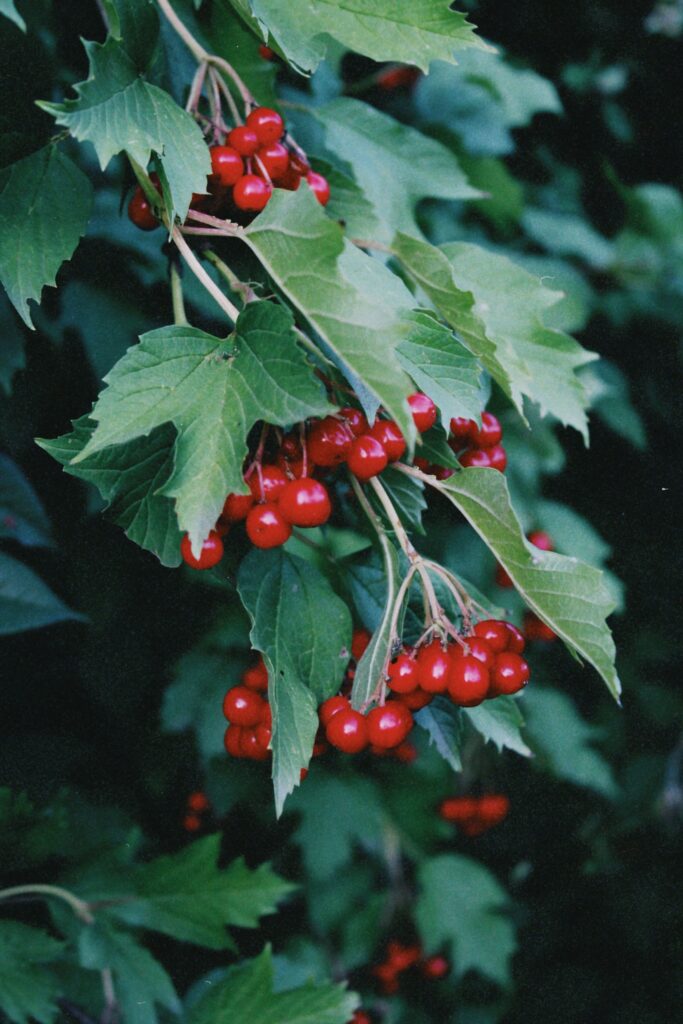
This is where Cramp Bark can be a great help to calm your farm,5 traditionally used to benefit a wide range of nervous complaints,6 easing muscle tension and spasms.6,7 helping to soften the physical tightness that often accompanies periods of stress.5,7
Sometimes, calming the mind starts with helping the body let go.
- Im, S., Rushing, B., Wright, A., Softic, D. and Arpana Lakhmani (2023). Muscle tension in Generalized anxiety disorder during a stressful mental arithmetic task. Research directs in psychology and behavior, 3(1). doi:10.53520/rdpb2023.10776.
- Khir SM, Yunus WMAWM, Mahmud N, Wang R, Panatik SA, Sukor MSM, et al. Efficacy of Progressive muscle relaxation in adults for Stress, anxiety, and depression: A systematic review. Psychology research and behavior management. 2024 Feb 1;17(1):345–65.
- Turan GB, Özer Z, Demir C. The effect of Progressive muscle relaxation exercises applied to Caregivers of Palliative care patients on stress coping styles and anxiety levels: A randomised controlled trial. Nursing open. 2025 Feb;12(2).
- Dolbier CL, Rush TE. Efficacy of abbreviated progressive muscle relaxation in a high-stress college sample. International journal of Stress management. 2012 Feb;19(1):48–68.
- Hoffmann, D. (1996). The complete illustrated holistic herbal. Shattesbury, Dorset ; Rockport, Mass.: Element.
- Grieves, M. (1931). A modern herbal. London: Tiger Books International.
- Bone, K. (2003). A clinical guide to blending liquid herbs: Herbal formulations for the individual patient. St. Louis: Churchill Livingstone.